Application Fields of Extruded Silicone Finished Products
The extrusion process is suitable for silicone products with continuous long strips, tubes, ribbons, and stable cross-sections. It boasts advantages such as resistance to high and low temperatures, chemical corrosion, high elasticity, electrical insulation, and food-grade safety, making it widely and critically used in multiple industries.
01. Medical and Life Sciences
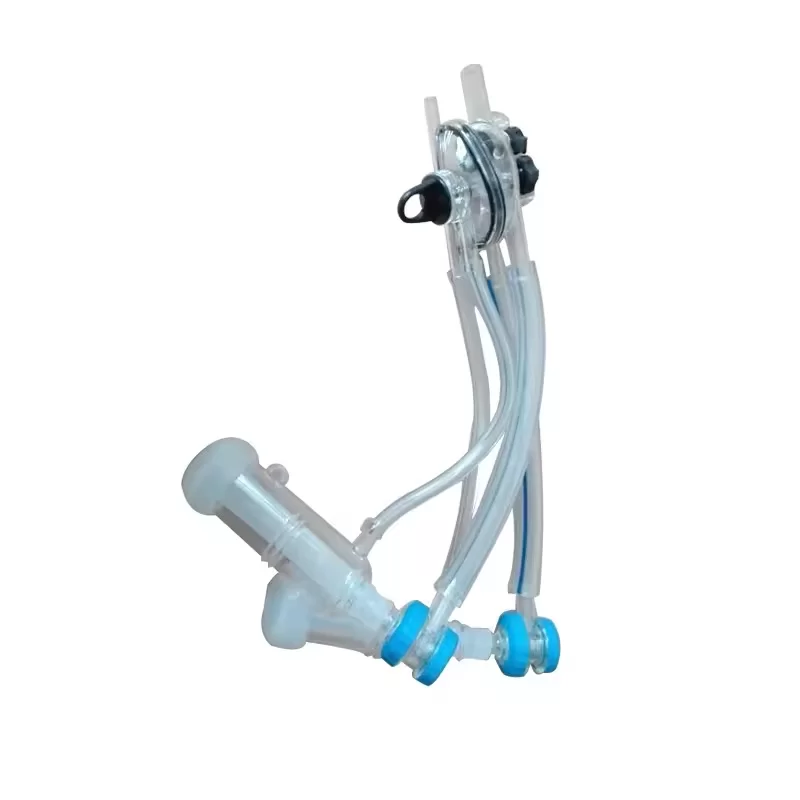
Extruded silicone offers excellent biocompatibility and non-toxicity, suitable for medical-grade equipment and consumables:
Medical catheters, breathing circuits, medical sealing strips and anti-collision strips, infusion and perfusion system pipelines, medical electrical insulation tubes.
Value: Complies with FDA and LFGB safety requirements, resistant to high-temperature sterilization, and free of harmful substance leaching.
02. Automotive and Transportation
Its anti-aging, oil-resistant, and high-temperature resistant properties make extruded silicone an important component of automotive structures:
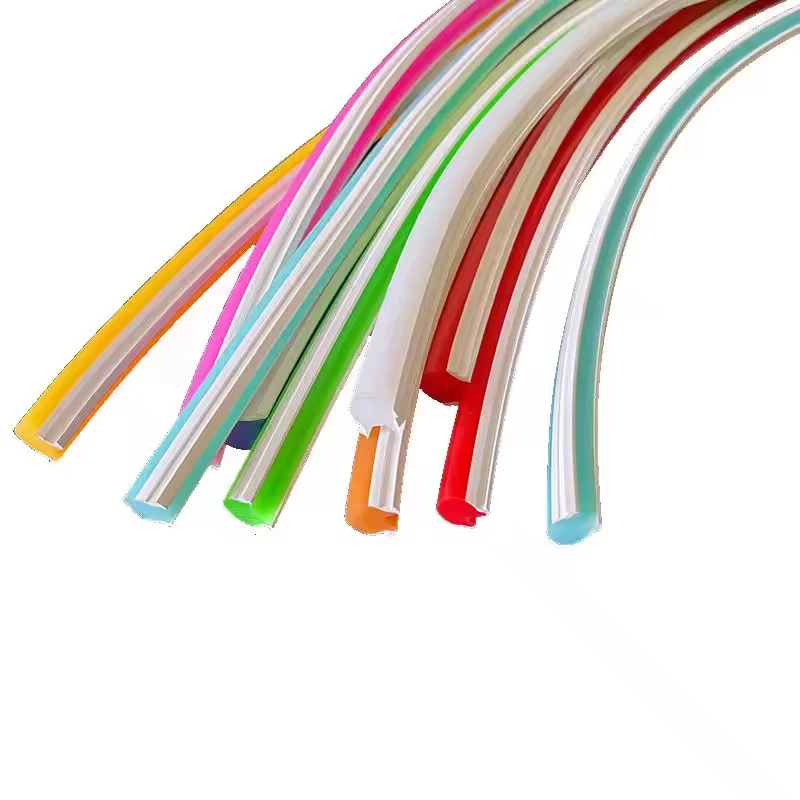
Door and window sealing strips, waterproof strips, automotive lamp sealing strips, wire harness and cable protection tubes, interior dustproof and anti-collision strips.
Value: Meets IATF16949 system requirements, providing long-lasting sealing, shock resistance, and protective performance.
03. Smart Wearables and Consumer Electronics
With electrical insulation, sweat resistance, and waterproof performance, extruded silicone is applicable to electronic product protection components:
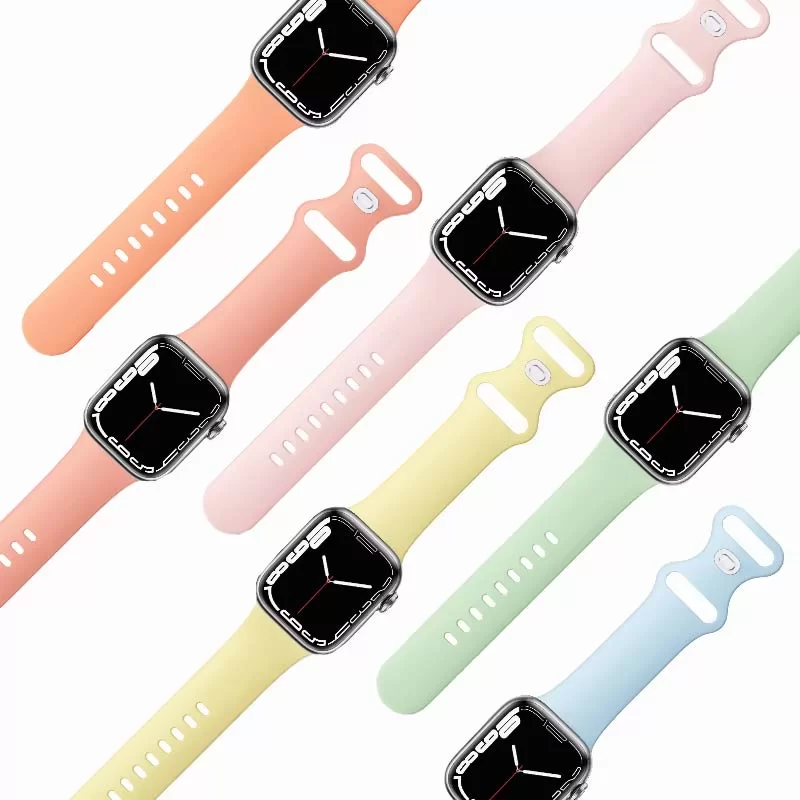
Wear-resistant sheaths for data cables, battery protection pipelines, flexible coating tubes for earphone wires, dustproof and waterproof sealing strips.
Value: Complies with RoHS/REACH environmental requirements, offering flexible, durable, and safe protection.
04. Food-grade Kitchenware and Maternal-Infant Products
Food-grade extruded silicone is high-temperature resistant, odorless, safe, and environmentally friendly:
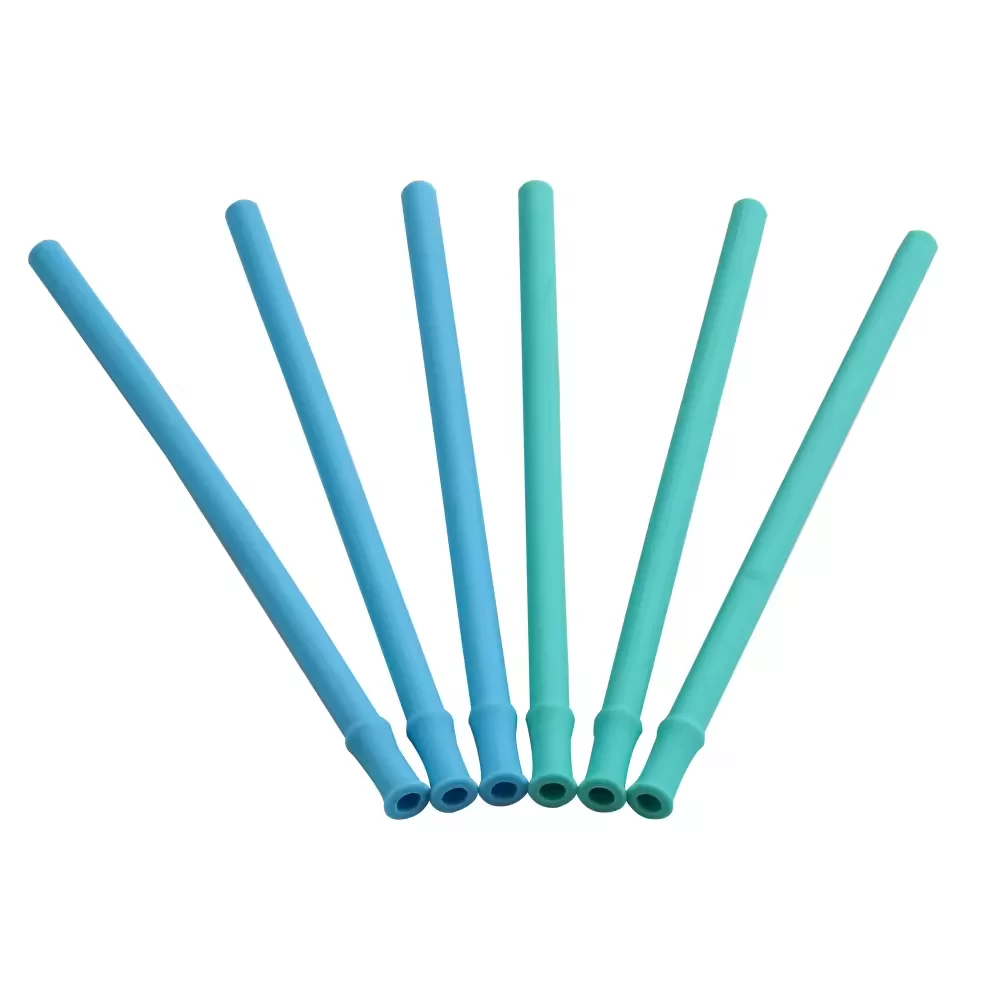
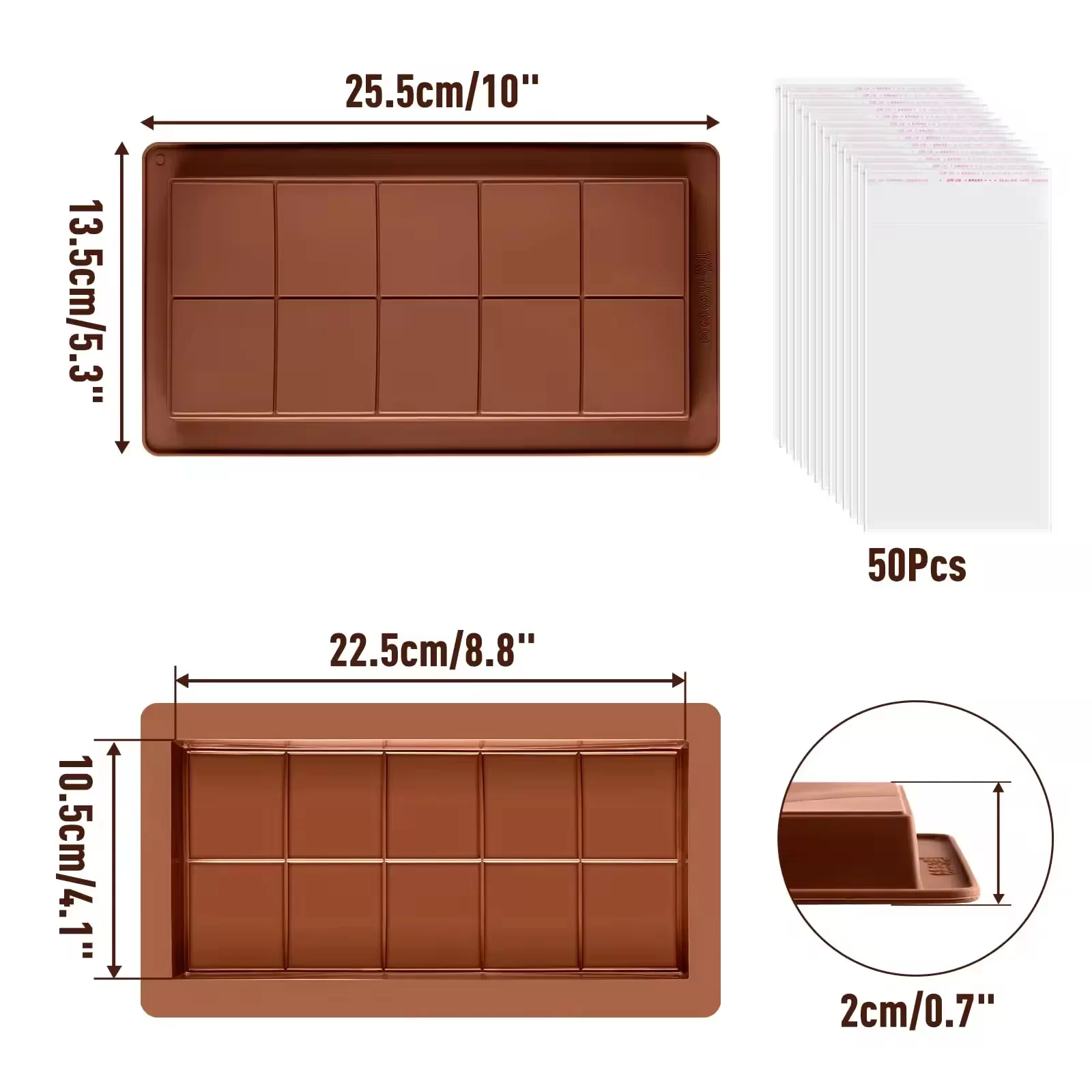
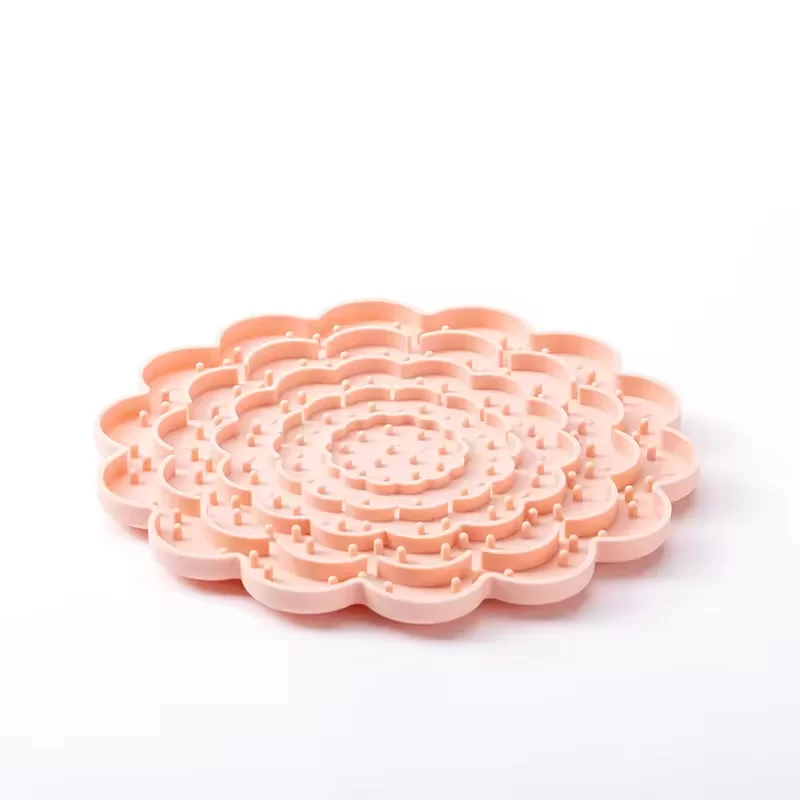
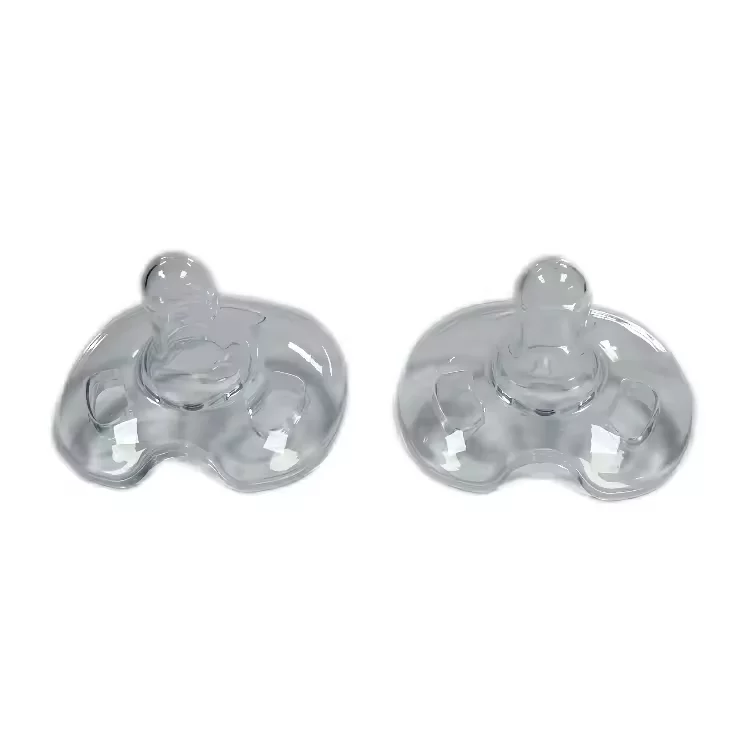
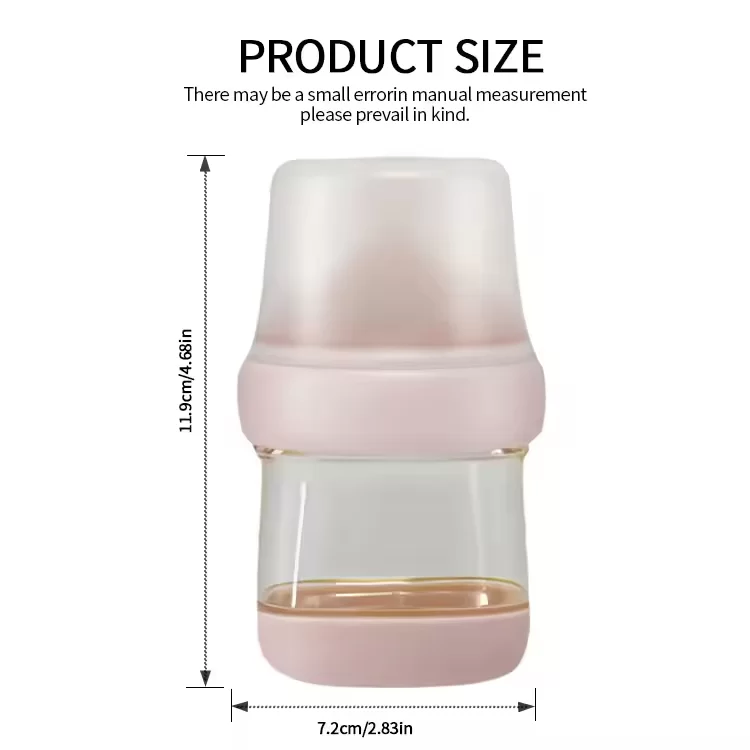
Straws, sealing strips, edges for food storage boxes, leak-proof rings for baby bottles, auxiliary sealing strips, high-temperature steaming pipelines, and baking accessories.
Value: Complies with FDA and LFGB standards, food-contact safe, non-toxic, odorless, and reliable.
05. Industrial Equipment and Machinery
Silicone maintains stability in extreme environments, suitable for long-term operating equipment:
High-temperature steam pipelines, corrosion-resistant pipelines, mechanical shock absorption strips, buffer strips, industrial sealing strips and waterproof strips, cable protection and insulation coating.
Value: Resistant to high temperatures (-60℃ to 300℃) and acids/bases, with high reliability, suitable for harsh industrial applications.
06. Construction Engineering and New Energy
It plays a key role in sealing, waterproofing, insulation, and other fields:
Door and window construction sealing strips, photovoltaic module sealing strips, lithium battery coating and insulation tubes, waterproof joint strips, shockproof buffer strips.
Value: Weather-resistant, UV-resistant, and anti-aging, ensuring long-term stable operation of new energy and construction systems.
Manufacturing Process of Extruded Silicone Products
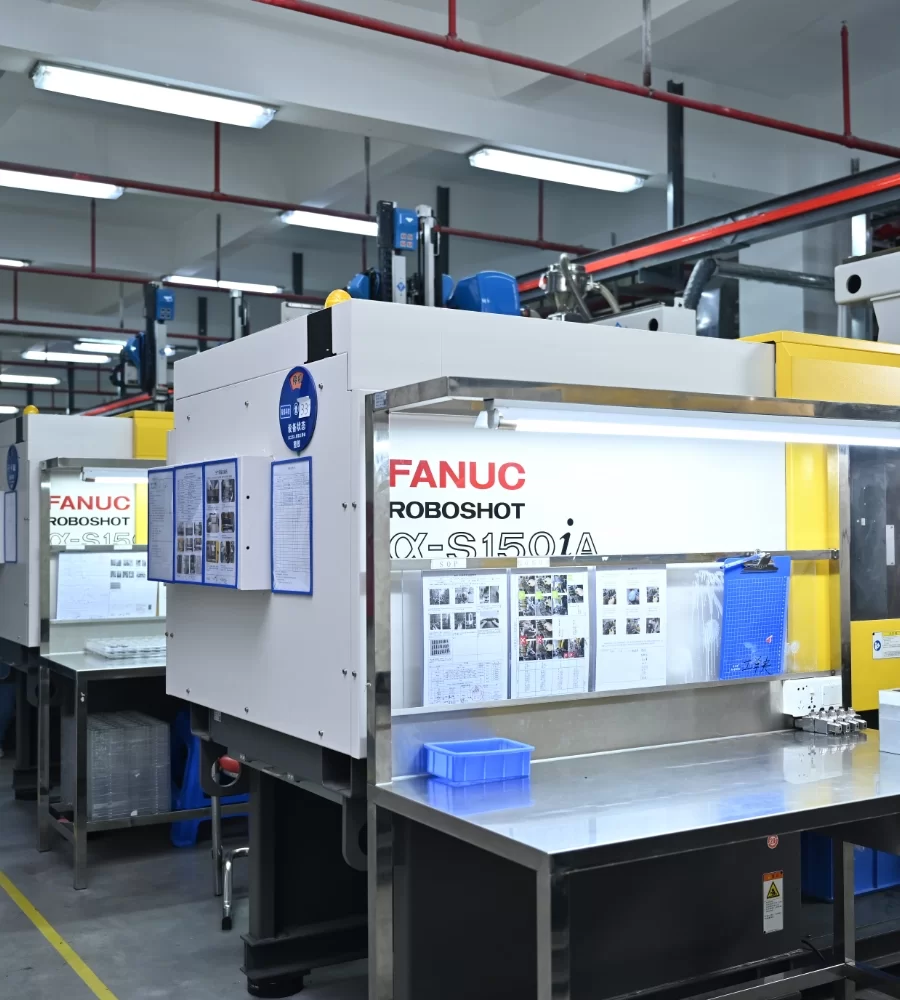
Extrusion molding is a processing method that plasticizes, extrudes, and vulcanizes silicone materials under continuous pressure and a constant molding channel. It is widely used in products such as sealing strips, conduits, insulation protection, high-temperature resistant sleeves, and food-grade pipes. GYF ensures that extruded products meet industrial-grade quality standards for dimensional stability, surface consistency, and long-term reliability through precise formulation, consistent processing control, and a multi-stage vulcanization system.
1. Requirements Analysis and Product Design
Analyze the application environment: temperature, chemical resistance, mechanical strength, electrical properties, etc.
Select formulation systems: such as food-grade, flame-retardant, high-temperature resistant, conductive, airtight, medical-grade, etc.
Design cross-sectional structures: round tubes, flat strips, multi-cavity structures, complex irregular cross-sections
Perform Design for Manufacturability (DFM) to optimize the extrusion channel and die structure.
Value: Ensures functional performance and downstream processing efficiency.
2. Formulation Mixing and Compound Preparation
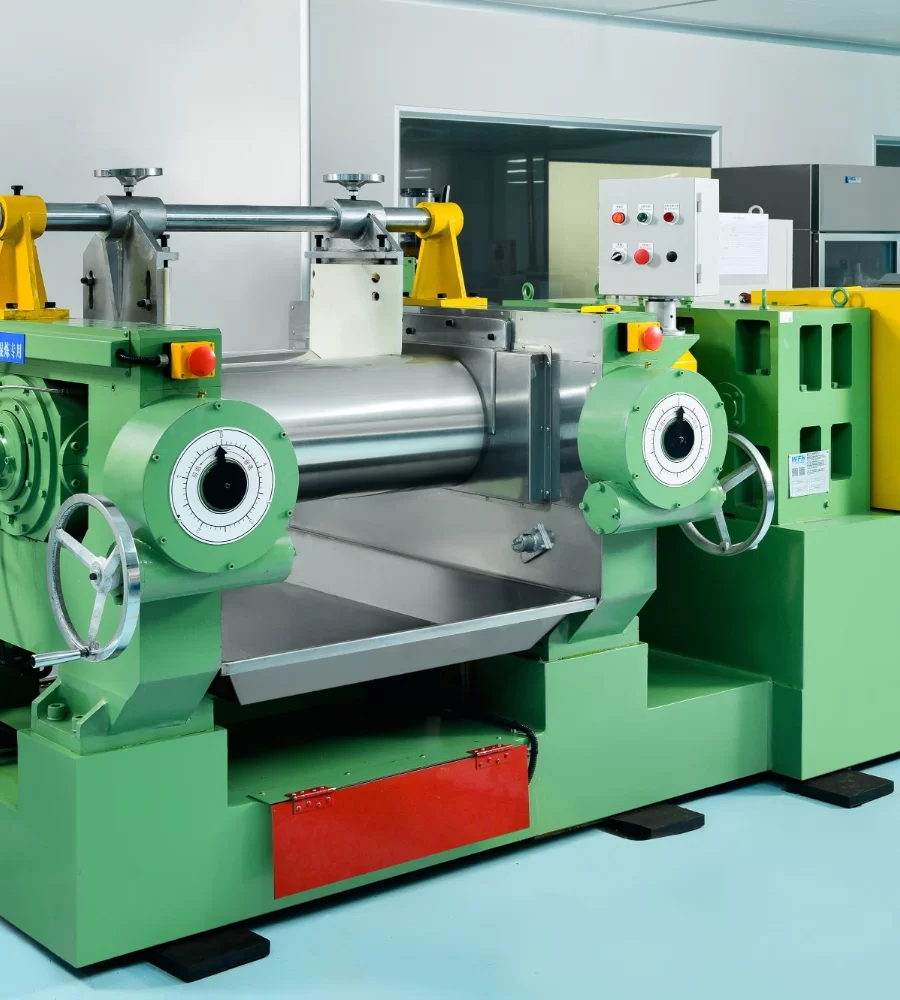
Silicone is mixed using a fully internal mixing/open milling process. Curing systems, color masterbatches, and functional additives (such as conductive, flame-retardant, and oil-resistant agents) are added. Uniformity, viscosity, and plasticity quality are tested. Key Points: Ensure uniform and consistent rubber compound, laying the foundation for stable extrusion.
3. Precision Extrusion Molding
Use a constant pressure feeding system + precision screw extruder
Control consistent cross-section through a precision die (with built-in compensation section)
Applicable formulations include high-temperature vulcanizing silicone (HTV) and fast-curing formulations
Key control points: outer diameter, wall thickness, tolerance, surface finish
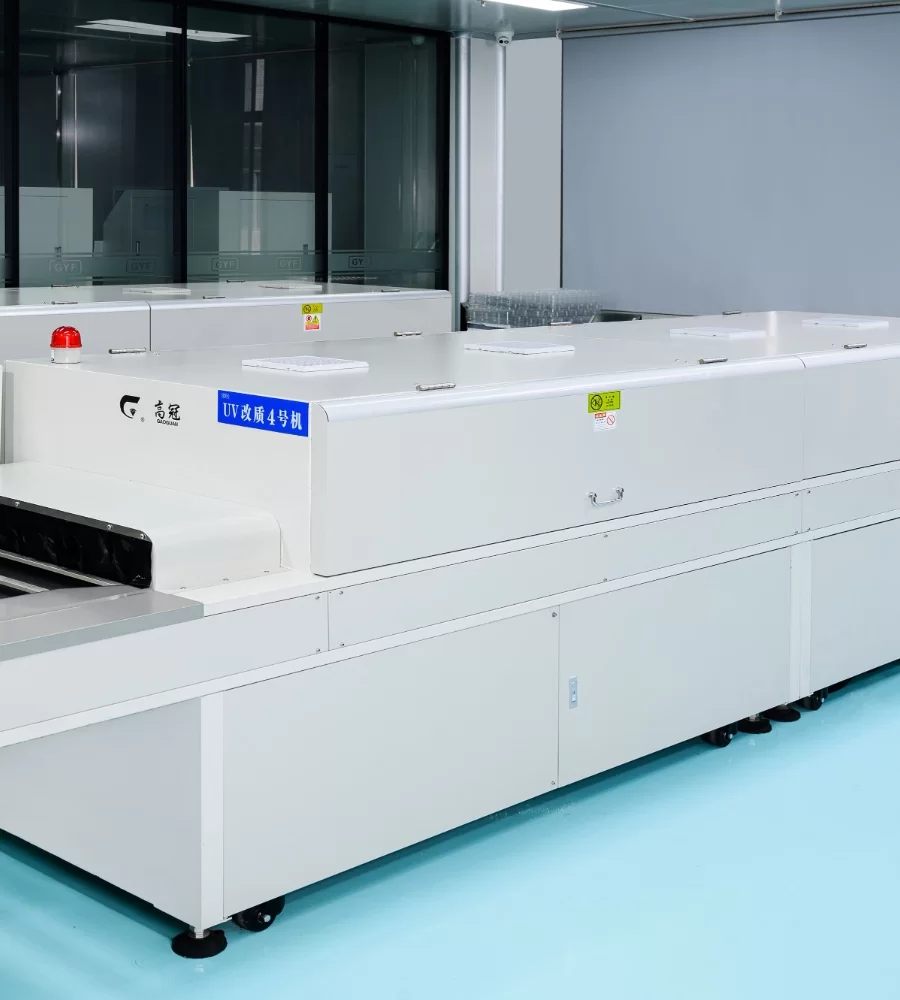
4. Continuous Vulcanization (Hot Air/Infrared/Salt Bath)
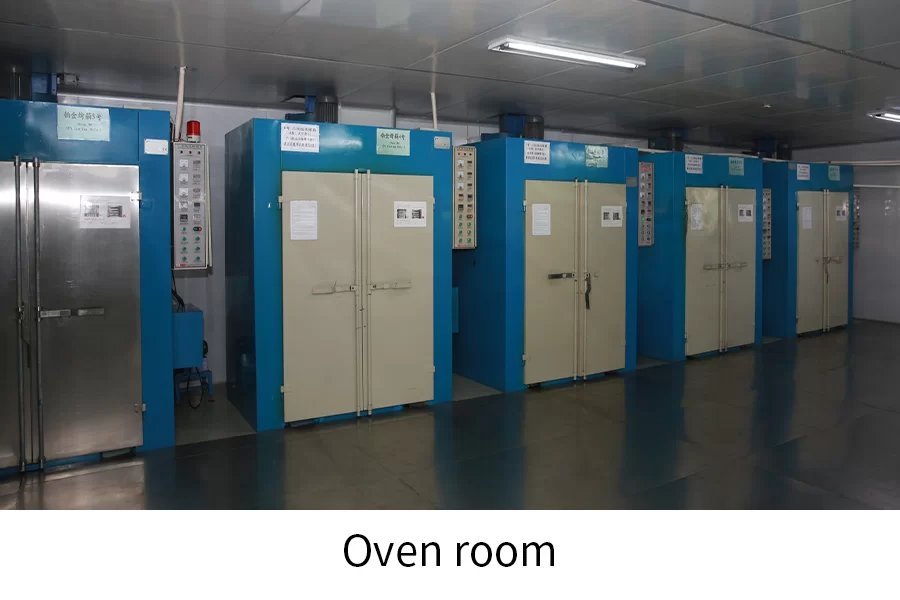
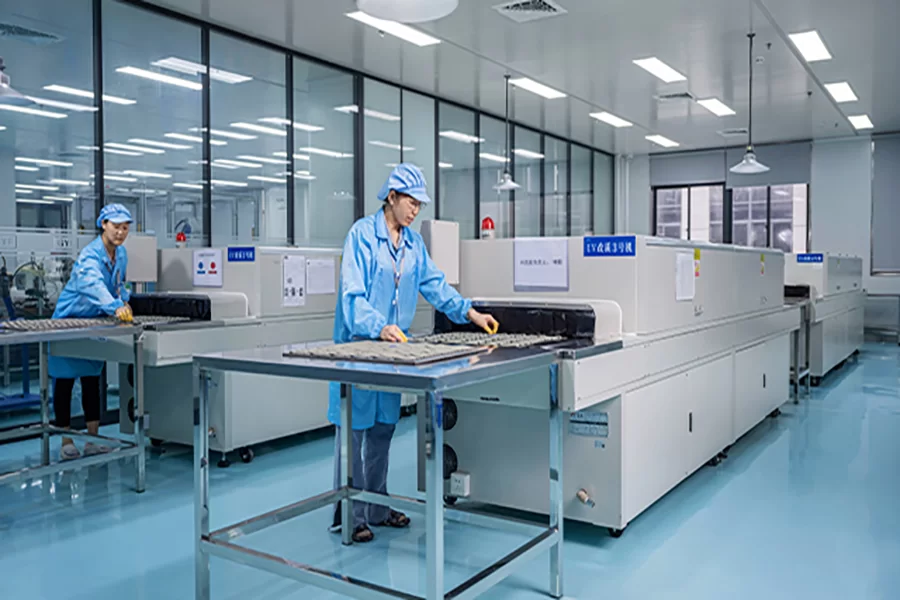
Select the appropriate vulcanization method according to product characteristics: continuous hot air vulcanization, rapid infrared vulcanization, and high-efficiency salt bath vulcanization (deep vulcanization). Multi-stage temperature control ensures full curing of inner and outer layers.
Advantages: Full vulcanization, dimensional stability, and less prone to deformation.
5. Secondary Vulcanization (Optional)
For food-grade, medical-grade, ultra-high temperature, and automotive sealing products, secondary vulcanization treatment is performed: removing volatiles, odors, and small molecule residues, improving high-temperature resistance and anti-aging properties, and enhancing material stability and safety.
Value: More environmentally friendly, safer, and more reliable.
6. Fixed-Length Cutting/Slitting and Forming
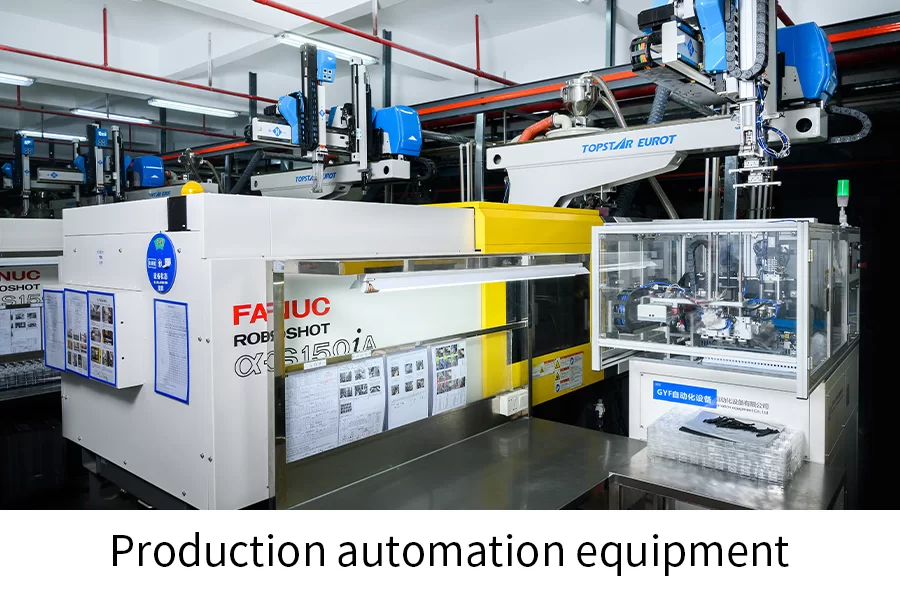
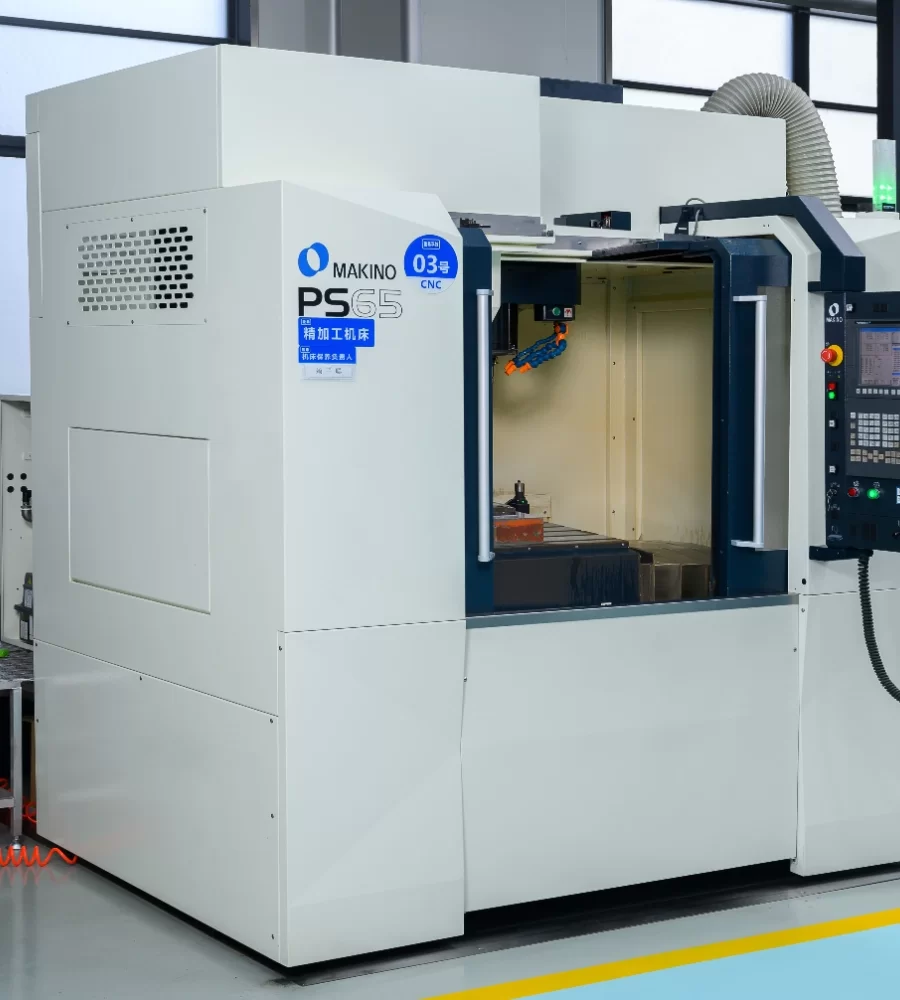
Utilizes automated fixed-length cutting equipment for 45°/90° cutting or laser precision machining of complex cross-sections. Adapts to subsequent corner joining, welding, punching, screen printing, and other processes; precise cutting ensures consistent assembly dimensions.
7. Surface Treatment and Deep Processing (Optional)
Anti-stick coating/low-friction coating treatment, spraying, printing, hole punching, and corner vulcanization molding. Improves assembly efficiency and user experience.
8. Quality Inspection and Full Traceability
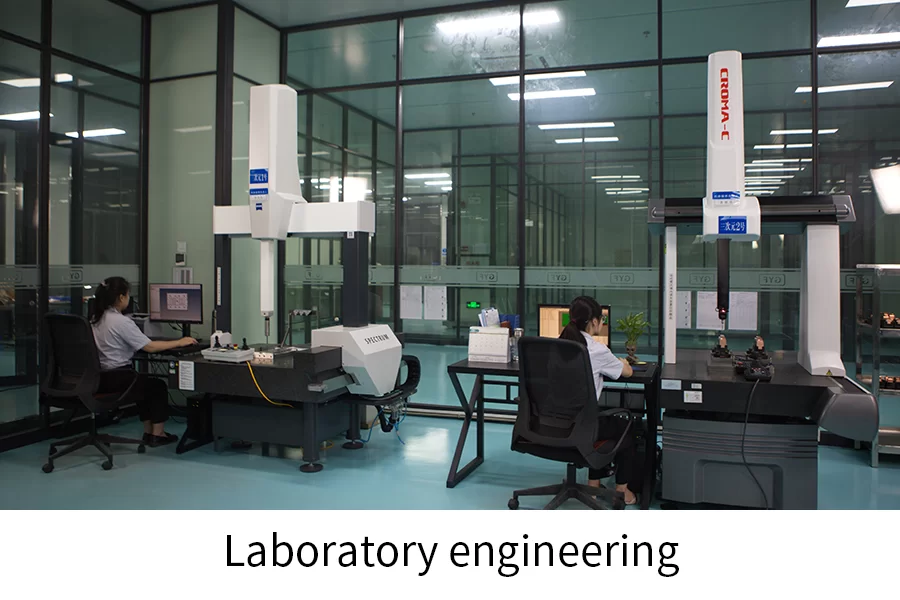
Dimensional, tolerance, hardness, and tensile property testing; RoHS/REACH/FDA compliance testing; traceability management of medical and food-grade product materials. High-standard quality system: ISO13485/ ISO9001/IATF16949